Last updated: October 2026
What to pack for Lithuania: start with the weather
Lithuania has four clear seasons, and the gap between them is big. According to the Lithuanian Hydrometeorological Service, the national average temperature is about 18.3°C in July and about -2.9°C in January, based on the 1991–2020 standard climate normals. Those are averages, so some winter days are much colder and some summer days much hotter.
For us, coming from a warm country like Zimbabwe or Cameroon, good winter gear was a must. If you grew up where “cold” means a light jumper in the evening, take the winter part of this list seriously. Most students arrive in late summer or autumn, so you will usually face the cold within a few months of landing.
Autumn (September to November)
Autumn starts mild and ends cold, often with rain and wind. For this part of what to pack for Lithuania, choose a waterproof jacket, a couple of warm jumpers or hoodies, long trousers and comfortable closed shoes that can handle wet pavements.
Winter (December to February)
This is the season that matters most when you are deciding what to pack for Lithuania. You need a properly insulated winter coat, thermal underwear, a warm hat that covers your ears, gloves, a scarf and waterproof boots with a grippy sole.
Spring (March to May)
Spring is changeable, so what to pack for Lithuania in spring is mostly layers. March can still feel like winter, while late May can be pleasantly warm. Think T-shirts, light jumpers and a mid-weight jacket you can open or close as the day changes.
Summer (June to August)
Summer is the easiest season for what to pack for Lithuania: warm weather and very long days. Bring light clothes, sandals or trainers, sunglasses and something smart-casual for events. Keep one jumper handy, because evenings by the sea or in the countryside can turn cool.
Documents to keep in your hand luggage
The most important part of what to pack for Lithuania is paperwork. Keep originals in your carry-on, never in checked baggage, and make both paper copies and digital scans. Store the scans in secure cloud storage in case a bag goes missing.
- Passport and your residence permit card or decision. Degree students in Lithuania travel on a temporary residence permit (TRP), not a student visa.
- University admission letter and any enrolment confirmation.
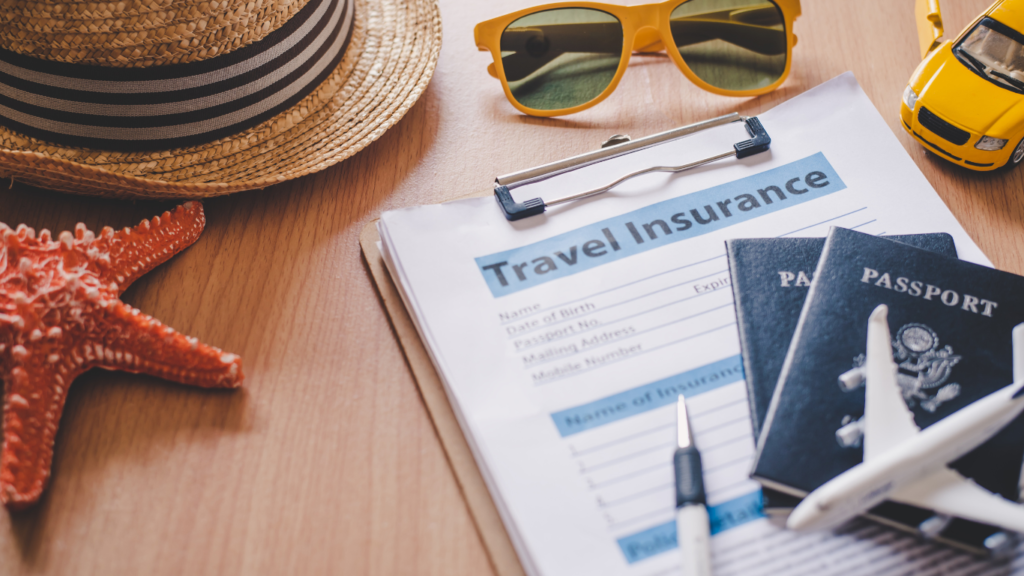
- Health insurance policy in a language officials can read.
- Accommodation confirmation for your dormitory or rented flat.
- Bank statements or proof of funds. Our guide to proof of funds for a Lithuanian student permit explains what is usually needed.
- Prescriptions or a doctor’s certificate for any medicines you carry.
For everything else before you fly, see our pre-departure checklist for Lithuania students.
Surviving your first Lithuanian winter
Winter is why a packing list for studying abroad in Lithuania looks different from one for southern Europe. The cold is manageable with the right clothes; the darkness takes more getting used to.
Temperatures and daylight
January is the coldest month, with a long-term national average of about -2.9°C. Cold spells go well below that, and pavements can stay icy for days. Around the winter solstice in Vilnius, the sun rises after 8:30 in the morning and sets before 4 in the afternoon, which leaves roughly seven hours of daylight.
Summer is the opposite: in late June the sun sets around 10 in the evening.
Lithuania winter clothes: the layering system
The secret to Lithuania winter clothes is not one enormous coat. It is layers that trap warm air and that you can take off when you walk into a heated lecture hall, shop or bus.
- Base layer: thermal leggings and a long-sleeved thermal top that sit close to the skin. Wool or synthetic fabrics keep you warmer than cotton if you sweat.
- Mid layer: a fleece, wool jumper or thick hoodie to hold in heat.
- Outer layer: a windproof, water-resistant winter coat that covers your hips. A hood is a big help on windy days.
Add a hat that covers your ears, a scarf or neck warmer, insulated gloves and thick socks. Boots matter more than most people expect. Look for waterproof boots with a deep, grippy sole, because melting snow refreezes into ice on pavements and steps.
Bring it or buy it in Lithuania?
You do not need to fly in with a full Arctic wardrobe. Heavy coats and boots eat luggage space, and shops in Lithuania stock clothes made for the local climate. A sensible approach to what to pack for Lithuania is to arrive with enough warm layers for autumn, then buy your main winter coat and boots once you are settled.
Second-hand shopping is popular with students. Kaunas University of Technology’s student guide recommends the Humana chain of second-hand shops, where prices drop over a regular cycle, and notes that heavier winter coats tend to sell out before the cheapest days. Online marketplaces such as Vinted and skelbiu.lt are other options. Never pay a stranger before you have met them and seen the item.
Skin, hair and staying healthy
Cold air outside and heated air inside can leave your skin and lips dry and your hair brittle. A richer moisturiser, lip balm and a leave-in conditioner or hair oil help. If a product for your hair or skin type is hard to find in Europe, add a supply of it to what to pack for Lithuania.
Short days mean less sunlight, and people often ask about vitamin D. That is a question for a doctor, who can check whether you need a supplement and how much.
Dark afternoons and your mood
Dark afternoons can affect your energy and mood, especially in your first year. Get outside in daylight when you can, keep a routine and make plans with friends. Feeling low for a while after a big move is common; our article on the five phases of moving abroad explains why. If low mood lasts or worries you, talk to your university’s student support service or a doctor.
Electronics and staying connected
Electronics are an easy part of what to pack for Lithuania. The country uses the standard continental European two-pin sockets (types C and F) at 230V and 50Hz. If your devices have UK-style three-pin plugs, which are common in Kenya, Nigeria, Ghana and Zimbabwe, bring at least one adaptor and buy more locally. Check the voltage label on every charger and appliance, especially hair dryers and straighteners, before plugging it in.
- Laptop and charger
- Phone and charger, plus a power bank for long travel days
- A USB stick or external drive to back up your coursework
- One or two plug adaptors
Rather than paying for roaming, buy a local prepaid SIM after you land. We compare the main networks in our guide to SIM card options in Lithuania.
Food, medicines and EU customs rules
Food is the trickiest part of what to pack for Lithuania. Under EU rules, travellers from outside the EU are not allowed to bring meat, milk or products made from them in their personal luggage. That includes dried meat, sausages, cheese and many homemade dishes. There is a narrow exception for powdered infant milk, baby food and special medical foods, with conditions on weight and packaging. Read the full rules on the European Commission’s personal imports page before you pack.
Dry spices, sealed snacks without meat or dairy, tea and similar items are usually the safest choices. Bigger cities also have speciality shops selling international foods.
For medicines, the Lithuanian Customs guidance for travellers says that without a doctor’s certificate you may bring no more than 10 packages of medicines, kept in their original packaging. If you carry more, customs may ask for a doctor’s certificate showing the medicine, dose and treatment period. Stronger medicines, including some painkillers such as tramadol, have extra rules. If you take regular medication, ask your doctor at home for an English-language certificate and enough supply to last until you can see a doctor in Lithuania.
Daily essentials and money
Everyday items are easy to buy after you arrive. Supermarket chains such as Maxima, Rimi, Lidl and IKI are found across the main cities, and they all run loyalty schemes that can save you money. So when you think about what to pack for Lithuania, there is no need to fill your suitcase with shampoo or washing powder.
- Bedding: some dormitories provide it and some do not. Ask your accommodation before you travel; our guide to student accommodation in Lithuania covers what to expect.
- Kitchen basics: a mug, a plate and cutlery for your first days. Buy pots and pans locally.
- Toiletries: travel sizes for the first week only.
- First aid kit: plasters, painkillers you already use, and your regular medicines.
- Water bottle: Vilnius tap water comes from underground sources, and the city’s water supplier and the official lithuania.lt site describe it as safe to drink. If you live elsewhere, ask your landlord or dormitory.
For money, bring a debit or credit card that works abroad and tell your bank you are travelling so it does not block your card. Cards are accepted in most shops, but carry a small amount of euro cash for your first days in case a card fails.
Comfort items and study materials
Not everything you decide on when working out what to pack for Lithuania has to be practical. Think about photos of family and friends, a small item from home for your room, and traditional clothing if you would like to take part in cultural evenings or international student days.
For study, bring a notebook, pens and any specialist equipment your course list asks for, such as a scientific calculator or drawing tools. Textbooks are heavy and often available through your university library, so check first.
Packing checklist: what to bring to Lithuania as a student
Use this table as your packing list for studying abroad in Lithuania: what to bring to Lithuania as a student and what to buy after you land.
| Bring from home | Buy in Lithuania |
|---|---|
| Passport, permit documents, admission letter, insurance, proof of funds (originals and copies) | Local SIM card |
| Prescribed medicines with a doctor’s certificate | Everyday toiletries and cleaning products |
| Laptop, phone, chargers and one or two plug adaptors | Extra adaptors and extension leads |
| Autumn layers: waterproof jacket, jumpers, closed shoes | Heavy winter coat and winter boots (new or second-hand) |
| Thermal base layers, if you can find them at home | Hat, gloves and scarf, if you prefer to choose locally |
| Hair and skin products that are hard to find in Europe | Pots, pans and kitchen equipment |
| Dry spices and sealed snacks with no meat or dairy | Bedding, if your dormitory does not provide it |
| Photos, small gifts and traditional clothing | Stationery and most study supplies |
Final tips on what to pack for Lithuania
- Check your airline’s baggage rules. Limits vary by airline and ticket type, and excess baggage fees add up quickly.
- Pack a carry-on survival kit. Documents, medicines, chargers, a change of clothes and a warm layer, in case your checked bag arrives late.
- Leave space. You will buy winter clothes and pick up souvenirs, so do not arrive with a suitcase that is already full.
Frequently asked questions
What to pack for Lithuania if I arrive in September?
Pack for autumn: a waterproof jacket, jumpers, long trousers, closed shoes and a few thermal layers. You can buy a heavy winter coat and boots in Lithuania before December, which saves luggage space.
What Lithuania winter clothes do I really need?
A thermal base layer, a warm jumper or fleece, a windproof coat that covers your hips, a hat, gloves, a scarf and waterproof boots with a grippy sole. Layers you can remove indoors work better than one huge coat.
How cold does it get in Lithuania in winter?
The long-term average for January, the coldest month, is about -2.9°C, but cold spells go much lower. Days are short too: in Vilnius around the winter solstice the sun is up for only about seven hours.
Can I bring food from home to Lithuania?
You can bring some foods, but not meat, milk or products made from them if you are arriving from outside the EU. Dry spices and sealed snacks without meat or dairy are usually fine. Check the European Commission’s personal imports rules before you travel.
Do I need a plug adaptor in Lithuania?
Lithuania uses European two-pin sockets (types C and F) at 230V. If your devices have UK-style three-pin or other non-European plugs, you need an adaptor.
Still working out what to pack for Lithuania, or wondering about permits, accommodation and your first weeks? We made this move ourselves and are happy to talk it through. Book a free consultation and bring your questions.
1 comment